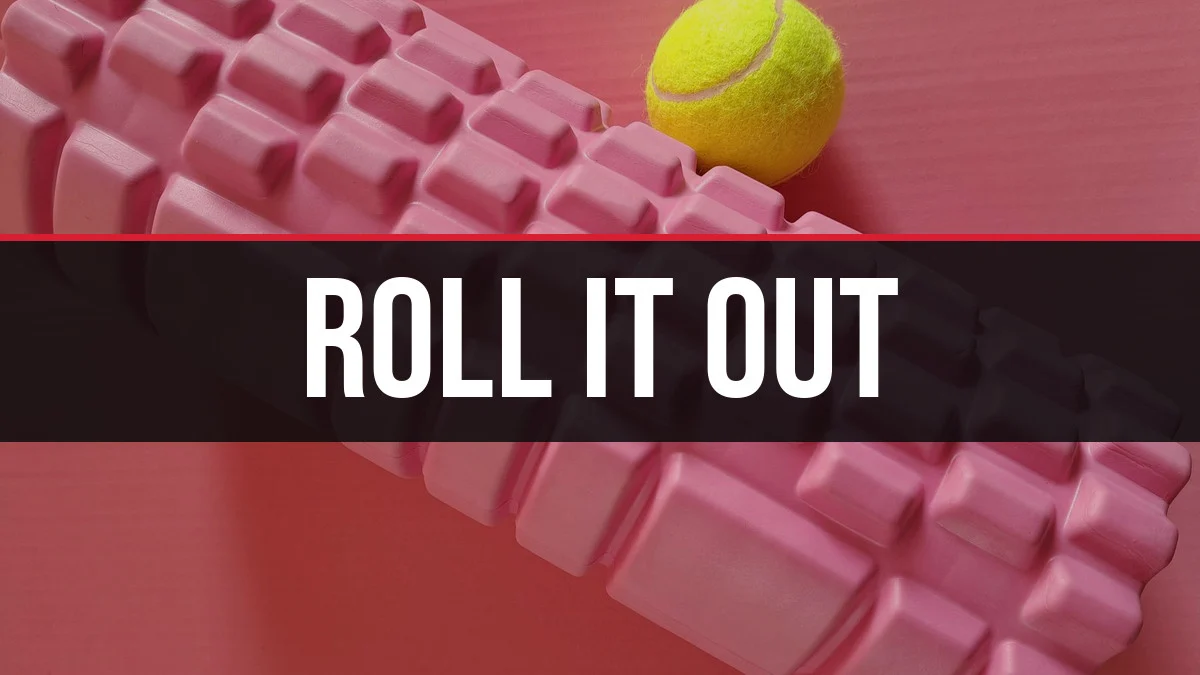
Best foam roller for lifters, short answer: The TriggerPoint GRID 1.0 is the best foam roller for most lifters: 13 x 5.5 inches, a firm hollow core rated to 300 lb on TriggerPoint’s site, and a textured surface that is easy to control on quads, glutes and upper back. If you want deeper pressure, the RumbleRoller’s firm bumps work around bone, in 12, 22 and 31 inch sizes.
Start with a firm smooth or lightly textured roller. Very hard or spiky rollers feel intense on sore legs. A medium firm roller you can relax on beats an extra firm one you tense against. Check the TriggerPoint GRID at Amazon
Want it deeper? RumbleRoller. On a budget or want a long roller for the back? LuxFit or Amazon Basics. Want vibration? Hyperice Vyper 3.
Quick answers
What is the best foam roller for lifters?
TriggerPoint GRID 1.0 for most people: 13 x 5.5 inches, hollow core, rated to 300 lb by TriggerPoint. RumbleRoller is the deep tissue pick, LuxFit and Amazon Basics are the budget long rollers, OPTP Pro-Roller is the physical therapy favourite and Hyperice Vyper 3 is the vibrating option.
What size foam roller should I buy?
A 12 to 13 inch roller is easy to store and control for legs and glutes. A 36 inch roller is better for lying lengthwise along the spine and for upper back work. Many lifters own one of each.
Our 3 quick picks
Compared and ranked from published specs and current listings. Prices change, so check today’s price before you buy.
Black Friday 2026: home gym deals
We track real, verified Black Friday and Cyber Monday prices on home gym gear in one place, updated daily through Cyber Monday.
A foam roller is a cheap, simple way to loosen up before training and ease stiffness afterwards. Lifters use it on the quads, IT band area, glutes, lats and upper back, especially before squats and overhead work. It is quiet, needs no charging and lasts for years.
We compared six rollers from TriggerPoint, RumbleRoller, LuxFit, Amazon Basics, OPTP and Hyperice. Sizes, ratings and features below come from each maker’s page or official listing, read in November 2026. If you want stronger, more targeted work on big muscles, a percussion tool is the next step; see our massage gun guide.
Foam rollers compared
The table shows what each maker lists. Rated capacity is only published by some makers; “Not stated” means it was not on the page we read.
| Roller | Size | Surface | Firmness | Rated capacity | Best for |
|---|---|---|---|---|---|
| TriggerPoint GRID 1.0 Check price on Amazon | 13 x 5.5 in (GRID 2.0: 26 in) | Textured grid | Firm, hollow core | 300 lb (TriggerPoint site) | Most lifters |
| RumbleRoller Original Check price on Amazon | 12, 22, 31 in | Bumps | Firm but flexible (Xtra Firm version) | Not stated | Deep tissue |
| LuxFit High Density Check price on Amazon | 12, 18, 24, 36 in; 6 in round | Smooth | High density | Not stated | Budget, long roller |
| Amazon Basics High Density Check price on Amazon | 18, 24, 36 in | Smooth | High density | Not stated | Budget |
| OPTP Pro-Roller Standard Check price on Amazon | 6 in round, 4 in round, 3 in half round | Smooth | Standard (Soft version available) | Not stated | Physical therapy style work |
| Hyperice Vyper 3 Check price on Amazon | 13 x 5.4 in | Ridged, vibrating | 3 vibration speeds | Not stated | Vibration, warm ups |
Which one should you buy?
- Most lifters: TriggerPoint GRID 1.0.
- You want more pressure: RumbleRoller, with an Xtra Firm version if needed.
- You want a long roller for the spine and upper back: LuxFit or Amazon Basics 36 inch.
- You follow physical therapy style mobility work: OPTP Pro-Roller.
- You want vibration: Hyperice Vyper 3.
The 6 best foam rollers for lifters, ranked
1. TriggerPoint GRID 1.0: best overall
TriggerPoint lists the GRID 1.0 at 13 x 5.5 x 5.5 inches, with a hollow core strong enough to support up to 300 lb on its own site, and a multi density textured surface. The GRID 2.0 is the extra long 26 inch version.
Thirteen inches is the sweet spot for lifters: long enough for both legs on the floor, short enough to angle into the glutes and lats, and easy to store in a gym bag. The hollow core keeps it firm without being rock hard, and it does not flatten with use the way cheap soft foam does.
It costs more than basic foam, but it lasts much longer.
Check the TriggerPoint GRID at Amazon
2. RumbleRoller: best deep tissue
RumbleRoller covers its roller in firm but flexible bumps that it says work around bone rather than over it, reaching past what a smooth roller can. It comes in 12 inch compact, 22 inch midsize and 31 inch full size, and in an Xtra Firm version.
The bumps make it much more intense than a smooth roller. That is great for large, dense muscles like the quads and glutes but can be a lot on sore days. Start with the original firmness.
For lifters who find smooth rollers too gentle, this is the step up.
Check the RumbleRoller at Amazon
3. LuxFit High Density Foam Roller: best budget
LuxFit sells high density round rollers 6 inches wide in four lengths: 12, 18, 24 and 36 inches. The 36 inch is its largest and the classic length for lying along the spine.
High density foam is firm and smooth, a good middle ground for most people, and the low price makes it easy to own a short and a long one. Solid foam can slowly compress over years of heavy use.
A simple, reliable pick.
Check the LuxFit foam roller at Amazon
4. Amazon Basics High Density Foam Roller: cheapest long roller
Amazon Basics sells high density round rollers in 18, 24 and 36 inch lengths, plus a standard density version.
It is the cheapest way to get a firm long roller for upper back and spine work. There is no texture and no published capacity, but for basic rolling it does the job.
Fine if you just want something to roll on.
Check the Amazon Basics foam roller at Amazon
5. OPTP Pro-Roller Standard: best for therapy style work
OPTP is a long standing supplier to physical therapists. Its Pro-Roller Standard comes in 6 inch round, 4 inch round and 3 inch half round versions, and there is a Soft version for gentler work.
The half round and smaller diameters are useful for balance and mobility drills as well as rolling. Many lifters who work with a physical therapist end up with one.
A good choice if you want rollers designed around exercise programs.
Check the OPTP Pro-Roller at Amazon
6. Hyperice Vyper 3: best vibrating roller
Hyperice calls the Vyper 3 a high intensity vibrating foam roller that combines foam rolling with vibration. Retail listings give its size as 13 x 5.4 inches with three vibration speeds.
Vibration makes rolling feel less intense for some people, so they can relax into it. It needs charging and costs several times more than plain foam.
A nice extra for a warm up routine, not a necessity.
Check the Hyperice Vyper 3 at Amazon
How lifters use a foam roller
Before training, spend a minute or two rolling tight areas such as the quads, glutes and upper back, then move on to your warm up sets. Roll slowly, pause on tender spots for a few breaths, and keep the pressure at a level you can relax into. Avoid rolling directly on the lower back, joints and the neck, and stop if anything feels sharp. Not medical advice.
Foam roller vs massage gun
- Foam roller: cheap, covers big areas, uses body weight, no charging.
- Massage gun: targeted and deeper, easier on arms and calves, needs charging and costs more.
Buying checklist for a foam roller
- Length: 12 to 13 inches for legs and travel, 36 inches for spine and upper back.
- Firmness: Medium firm suits most; extra firm and spiky are intense.
- Surface: Smooth for general use, textured or bumps for deeper work.
- Core: Hollow core rollers keep their shape longer than soft foam.
- Capacity: Check if you are heavy; TriggerPoint lists 300 lb for the GRID.
- Storage: Short rollers fit in a bag or under a bench.
Related guides
- Best massage gun for lifters
- Best resistance bands
- Best home gym flooring mats
- Best knee sleeves for squats
- Home gym checklist
How we ranked these foam rollers
We compared and ranked rollers using each maker’s published size, surface, density and capacity, plus their guidance on use. We did not use these rollers ourselves. We weighted durability and control for lifters first, then range of sizes and value.
Details were read in November 2026 from TriggerPoint, RumbleRoller, LuxFit, Amazon Basics, OPTP and Hyperice. See how we rank gear.
Frequently asked questions
Should lifters foam roll before or after training?
Either. Brief rolling before training can help you feel looser; rolling after or on rest days can ease stiffness for some people. Not medical advice.
What is the best foam roller size?
A 13 inch roller like the TriggerPoint GRID suits most leg and glute work; a 36 inch roller suits the spine and upper back.
Is a firm foam roller better?
Firmer rollers give more pressure but can be uncomfortable on sore muscles. Medium firm suits most people.
How long should you foam roll?
A minute or two per area is plenty for most people.
Can you foam roll your lower back?
Most guidance says avoid rolling directly on the lower back; roll the glutes and upper back instead. Not medical advice.
Do vibrating foam rollers work better?
Some people find vibration makes rolling more comfortable. Evidence that they work better is limited.
How long do foam rollers last?
Hollow core rollers like the GRID keep their shape for years; soft solid foam can compress over time.
Bottom line
For most lifters, the TriggerPoint GRID 1.0 is the roller to own: 13 inches, firm, hollow core and rated to 300 lb by its maker. Step up to a RumbleRoller for deeper pressure, add a long LuxFit or Amazon Basics roller for the spine, choose OPTP for therapy style work, and the Hyperice Vyper 3 if you want vibration.
For deeper targeted work, see our massage gun guide. Not medical advice.
Follow Strong Saga
New home gym guides, compared and ranked. Short video versions of every guide are on our channels.

 5 Home Gym Buys Ranked